Celebrate the Facts!
|
|
|
11/28/2021 3 Comments The Dark History of Human InbreedingStock breeders have used inbreeding for all recorded time to improve herds, with genetic abnormalities quickly culled. Many human cultures have also practiced inbreeding for social purposes, including royal families, religious groups, and isolated groups where partners are rare. Unfortunately, such practices result in substantial social and economic costs due to genetic syndromes and susceptibility to diseases, and fortunately, such methods are beginning to disappear.  The Inbred Whitaker Family from Odd, West Virginia Consanguinity in human populations, colloquially known as inbreeding, is mating between second cousins or closer relatives. In consanguineous mating, the number of genetically contributing grandparents is lower than in unrelated unions, resulting in a higher likelihood of homozygous genes, where each is the same, resulting in good and bad physical traits. Human inbreeding is complex and nuanced and has been a cultural practice worldwide, including royal families. Instances of inbreeding tend to occur in geographically and socially isolated communities. Any examination of human inbreeding steps close to the eugenics practice of totalitarian regimes such as Hitler’s Germany, so a mention of such is necessary for this investigation. However, hidden in this conversation is the earlier eugenics work conducted by United States governmental agencies until as late as the 1970s. For example, Germany used eugenics work in the United States as the bulwark of its ethnic cleansing mass murder during the Holocaust, where the Third Reich murdered about 12 million people of various despised groups, one-half of them identified as Jewish. 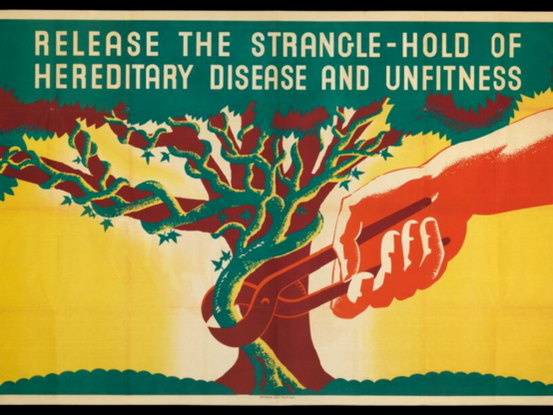 Eugenic Society Poster (1930s) Much of the eugenics work in the United States was racism with a scientific beard, and one might best examine such movements and discussion with skepticism. Nevertheless, the Nazi adoption of ‘science’ from origins in the United States is irrefutable and a very dark part of the history of the United States. Scientists have long studied human inbreeding and provided robust, controlled studies. Concisely, consanguinity raises the risk of hundreds of genetic disorders that impose genetic, social, and economic burdens on society:
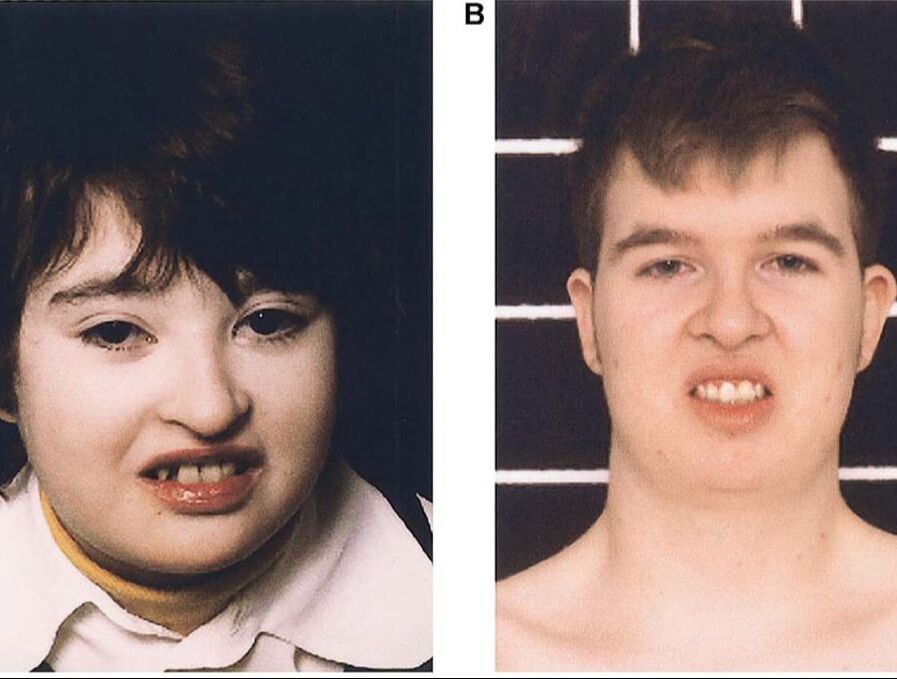 Cohen Syndrome Manifestations Inbreeding does occur in isolated populations in the United States, particularly in Amish and Mennonite populations, where strict social prescriptions and proscriptions keep the group socially isolated. The Amish are an extremely conservative religious group who live in farm settlements, use horses for work and travel, exercise vigorously during farm work, and proscribe cigarette smoking and alcohol use. The Amish theocracy uses the German Bible for reference, and the people speak a South German dialect. 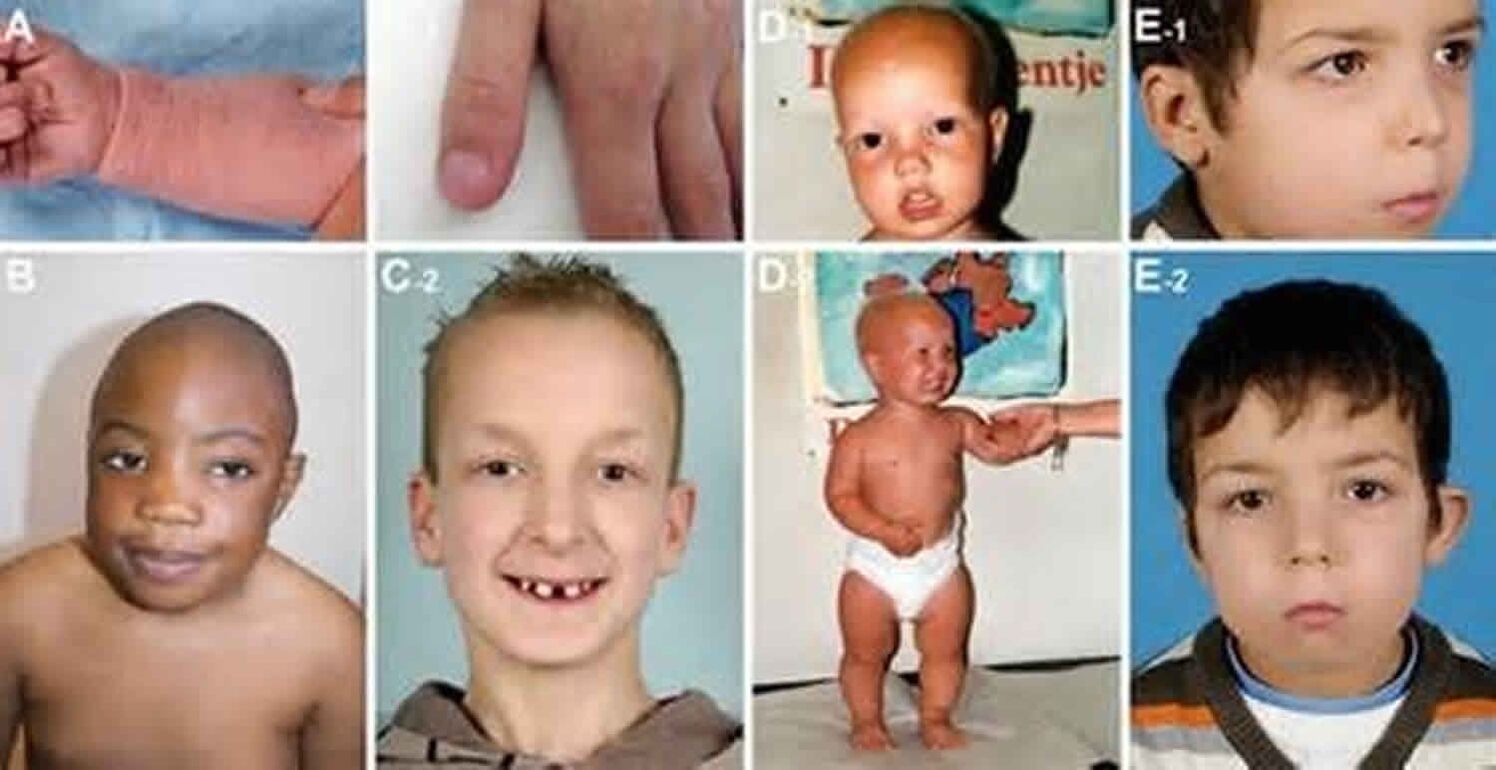 Cartilage Hair Hypoplasia X Ray Image As a result, there is a high degree of inbreeding in Amish populations. The result is a high frequency of recessive disorders, many of which are almost unknown outside of this population. Extensive genealogical records are available, and the average family size is large, lending the group ideal for genetic studies. Epidemiological analyses use a genealogic registry of Amish people back to the 1700s. 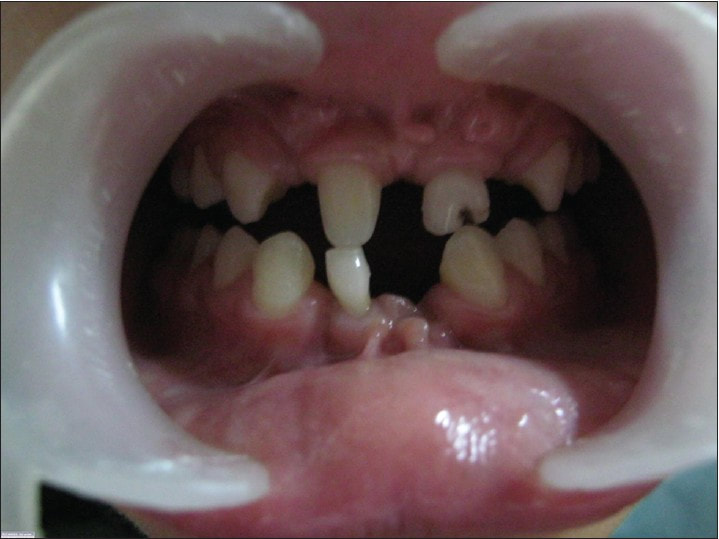 Person with Ellis-van Creveld syndrome Many of the genetic disorders prevalent in the Amish community require inheritance of a recessive gene from each parent:
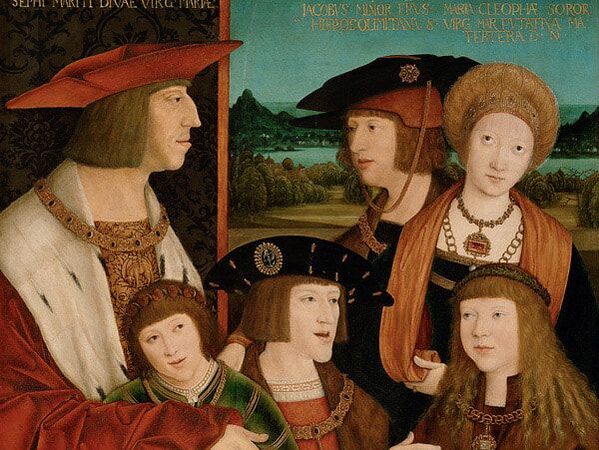 The Habsburg Family in the Early 1500s, with Charles V in the Lower Middle, Exhibit the Habsburg Jaw Deformity Royalty, a social power construct, has certain customs that have increased inbreeding in prominent populations, and the consequences are breathtaking. Royals, of course, only marry the self-identified best, other royals, so over time, they became one of the most inbred populations in history. In addition, European societies used royal unions to solidify alliances between nations and defuse conflict. The poster children for inbreeding were the Habsburgs, a royal line dating from the thirteenth century, whose progeny ruled Austria, Spain, and the Holy Roman Empire until the 1900s. The family was mainly known for the Habsburg jaw, an immense jaw, and large tongue that made activities such as eating and speaking problematic. A recessive gene causes the Habsburg jaw, and the jaw and associated traits present when two copies of a gene are the same. The duplicate genes passed down through inbreeding in this group were likely the reason for its fall. 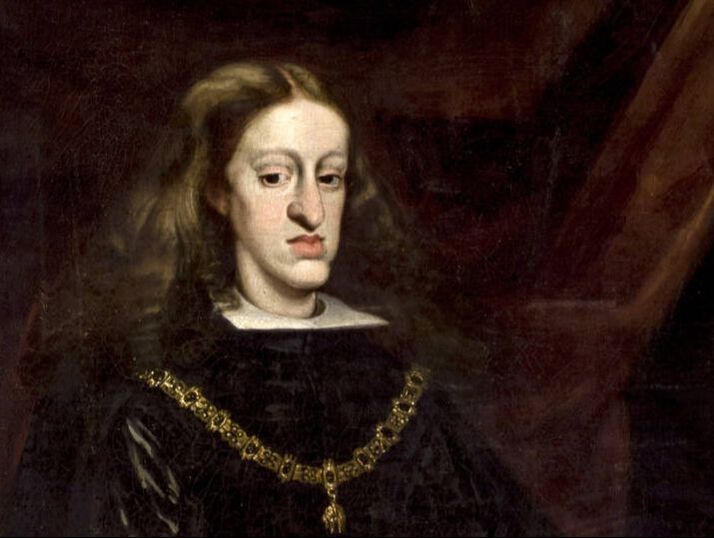 Charles II, Exhibiting Genetic Abnormalities Geneticists concluded the last Habsburg king of Spain, Charles II, was more inbred than if his parents had been brother and sister. He had such an oversized jaw that he could barely eat or speak and drooled a lot. Charles II could not walk until he was eight years old, and even then, he struggled. The king was physically disabled, disfigured, and developmentally disabled. Despite pressure to sire royal offspring, trying with two different wives, he died in 1700 at 39, leaving behind no heir to the throne and ending Habsburg rule in Spain. 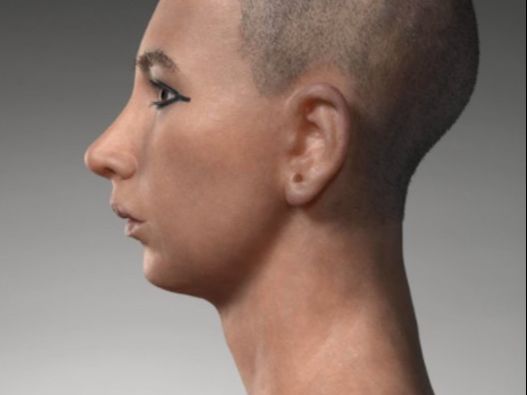 Reconstruction of King Tut Exhibiting Genetic Abnormalities Social practices of inbreeding for political alliances extend through recorded time. A DNA study conducted on King Tut’s remains confirmed that he was a product of a high level of incest. His mother was probably not Nefertiti, as commonly represented, but rather a sister of King Akhenaten. King Tut probably died from septicemia, likely assisted with the depressed immunological state typical of inbred people. 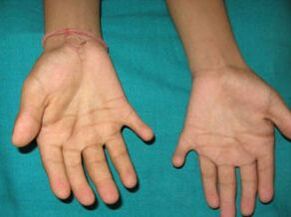 Six Digit Hands, Common in Ellis-van Creveld syndrome People who advocate close relative inbreeding point to stable marital relationships, reduced risks of family financial problems, ease of marriage arrangements, improved female autonomy, better compatibility with in-laws, less domestic violence, lower divorce rates, and reduced possibilities of hidden uncertainties. However, as men dominate these societies and are highly religious and tightly-knit socially, one might reasonably dispense with these justifications provided by the people in power. 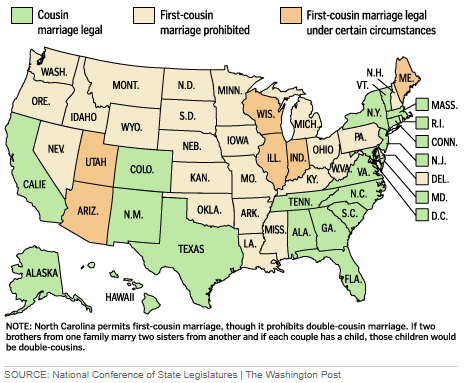 State Laws on Cousin Marriage Despite the long-known hazard of inbreeding, cousin marriage is legal in many states in the United States. Only 24 states prohibit marriages between first cousins, 19 states allow marriages between first cousins, and seven states allow limited marriages between first cousins. Moreover, there is some tradition of cousin marriage, as Edgar Allan Poe, Jesse James, and Albert Einstein, among many others, married their first cousin.
The frequency of inbreeding has decreased over time. The most substantial effect is associated with the Neolithic transition, where people developed agriculture about 10,000 years ago. Scientists linked evidence of ancient human interbreeding with small farming societies. Consanguineous traditions are today prevalent in various modern-day Eurasian cultures; genetic evidence suggests that such practices may have become widespread only within the last few millennia, further emphasizing this is a social norm developed since nominally civilized times.
3 Comments
J Lee
11/28/2021 07:53:27 pm
Yes, it's the dark history of human Inbreeding! Enjoyed it as usual. Thanks Mike!
Jeff Woynich
11/28/2021 08:12:26 pm
Good read as usual my feet are big and my arms are long so I think I'm good😅
Beth
3/30/2022 07:46:31 pm
Fascinating, Intriguing and totally creepy. Thanks for the deep dive! Beth Leave a Reply. |
InvestigatorMichael Donnelly investigates societal concerns with an untribal approach - to limit the discussion to the facts derived from primary sources so the reader can make more informed decisions. Archives
July 2023
Categories |
 RSS Feed